스포츠 외교2026. 9. 5. 10:19

[Coventry IOC위원장과 Trump미국대통령 시험(Coventry and the Trump test)]


8월27일자 외신기사내용 정리하여 공유합니다.


Coventry IOC)위원장이 로스앤젤레스 2028 올림픽을 앞두고 직면할 가장 큰 도전은 수영장, 트랙, 혹은 경기장 안에서가 아닐 수도 있습니다. 그것은 오벌 오피스(백악관 집무실)에서 올 수 있다(The International Olympic Committee president's biggest challenge before Los Angeles 2028 may not come on a swimming pool deck, a track or inside one of the Games' many venues. It may come from the Oval Office)고 합니다.


[외신기사요약]


1. 핵심 도전 과제


-Kirsty Coventry IOC위원장 의 가장 큰 시험은 LA 2028 올림픽 경기장이 아니라 백악관과의 관계에서 올 수 있습니다. 미국 정부는 보안, 이민, 교통 등 올림픽 운영 전반에 깊이 관여하게 되며, 이는 트럼프 행정부와의 긴밀한 협력이 불가피함을 의미합니다.


2. 관계의 중요성


-Andrew Giulian (2026 FIFA월드컵 준비 참여)는 “최고의 자원은 오벌 오피스에 있다”며, Coventry가 트럼프와 관계를 맺지 않으면 올림픽을 최대한 활용하지 못한다고 조언했습니다. 이는 IOC가 정치 지도자와 협력하면서도 지나치게 정치적으로 보이지 않아야 하는 딜레마를 보여줍니다


3. Infantino와의 비교


- FIFA 회장 Infantino는 월드컵 준비 과정에서 트럼프와 매우 밀접한 관계를 맺어 비판을 받았지만, Coventry는 국제 스포츠 운동의 지도자로서 정치적 거리를 유지하는 신중한 접근을 택하고 있습니다. 그러나 LA 2028에서는 미국 정부와의 협력이 필수적이어서 그 거리를 유지하기 어려울 수 있습니다.


4. 실질적 위험과 필요성


-비자 문제, 선수단 이동, 외국인 관계자 처리 등은 곧바로 국제적 논란으로 번질 수 있습니다. 따라서 IOC와 미국 정부 간 조기소통채널 확보가 중요합니다. Trump와의 개인적 친밀 관계는 위험할 수 있지만, 행정부와의 실질적 협력은 대회 성공에 필수적입니다.


5. 조직적 지원


-LA28 조직위원회와 백악관 태스크포스가 정부와의 관계를 담당하지만, Coventry는 IOC의 최고 대표로서 미국 행정부와의 관계를 조율해야 합니다.


[결론]


-Coventry의 과제는 단순히 Trump와 가까워질지 여부가 아니라, IOC의 독립성을 유지하면서도 미국 정부와 원활히 협력하는 균형을 찾는 것입니다.

-이는 LA 2028 준비 과정에서 그녀의 리더십을 정의할 중요한 시험이 될 것입니다.


요약하면, Covenry는 LA 2028을 앞두고 IOC의 독립성과 정치적 중립성을 지키면서도 트럼프 행정부와 실질적 협력을 구축해야 하는 복잡한 과제에 직면해 있습니다.


[Coventry and the Trump test]


The International Olympic Committee president's biggest challenge before Los Angeles 2028 may not come on a swimming pool deck, a track or inside one of the Games' many venues. It may come from the Oval Office.


Coventry will have to navigate a relationship with Donald Trump, whose administration will have a major role in delivering the 2028 Games. The US government will be involved in areas ranging from security and immigration to transportation and the movement of athletes and officials, making a close working relationship with Washington unavoidable.


Andrew Giuliani, who worked on the US government's preparations for the 2026 World Cup, believes Coventry should recognise just how important that relationship could be. "My advice to Kirsty is that your best resource is sitting right there in the Oval Office," Giuliani adds. "If you don't form that relationship, and if you don't take advantage of that, you are not maximising these Olympics." His message goes to the heart of the dilemma Coventry faces: how to work closely with a powerful political leader without allowing the Olympic Movement to become too closely associated with him.


Coventry's approach has been markedly different from FIFA president Gianni Infantino, who cultivated a highly visible relationship with Trump during the World Cup. His access to the White House gave FIFA a direct line to the US administration, but also drew criticism over the closeness between sport and politics.


Coventry has taken a more restrained approach, presenting herself as the leader of an international sporting movement rather than a political operator. That matters for the IOC, which must maintain relationships with governments around the world and avoid appearing too closely aligned with any one leader.


Los Angeles, however, may leave Coventry with less room to maintain that distance. The Olympics will require close cooperation with the US government, from security and immigration to the arrival of thousands of athletes, coaches, officials and support staff. Any changes to travel or visa policies could quickly affect Olympic delegations.


The 2026 World Cup has already shown how quickly those issues can become sporting controversies. Questions surrounding entry into the United States, the treatment of foreign officials and the movement of international teams were among the challenges organisers had to manage. The Olympics could present an even more complicated situation because of the number of countries and delegations involved.


For Coventry, access to Washington is more than a diplomatic consideration; it could be essential to the smooth running of the Games. She does not have to replicate Infantino's highly personal relationship with Trump, but she will need channels through which concerns can be raised and problems addressed before they escalate. That leaves Coventry with a delicate balance to strike over the next two years: maintaining the IOC's independence while building a working relationship with an administration that will have a significant role in the Games.


The most effective relationship may ultimately be one that attracts little attention. Visa problems or difficulties affecting national delegations can quickly become international stories, making early communication between the IOC, organisers and US officials particularly important. That is where Giuliani's advice becomes relevant. His argument is less about Coventry becoming a political ally of Trump and more about recognising the influence of the Oval Office. With the US government playing such an important role in LA28, maintaining a direct line to the administration could prove valuable when challenges arise.


There are risks, too. A close personal relationship with Trump could draw attention away from Coventry's role as leader of an international sporting organisation, particularly given the differing views of the US president among Olympic nations. The challenge will be maintaining the IOC's independence while working with an administration that will have a significant role in the Games.


The responsibility will not rest with Coventry alone. LA28 has its own government affairs operation, while the White House has established a task force focused on the Games. LA28 Chairperson Casey Wasserman and the organising committee will also be central to relations with federal officials. Coventry, however, will remain the IOC's senior representative as the organisation navigates its relationship with the US administration.


That makes the relationship with Trump one of the more significant tests of Coventry's presidency. Her instinct to keep the IOC focused on sport is understandable, but the World Cup demonstrated how closely major sporting events can become intertwined with politics. Immigration, international relations, security and government policy can all have a direct impact on athletes and competitions.


For Coventry, the question is therefore more nuanced than simply whether to be close to Trump. It is about how the IOC can maintain its independence while working with an administration that will play a significant role in LA28. Infantino adopted a highly visible approach during the World Cup; Coventry's approach has so far been considerably more measured. Giuliani's warning nevertheless highlights the importance of the relationship.


With the White House set to play a major role in the Games, access to the administration could prove crucial when political or logistical challenges emerge. How Coventry manages that relationship, and how closely she chooses to engage with Trump, could become one of the defining questions of the build-up to Los Angeles.


*References:

-insidethegames

-IOC website

Posted by 윤강로 (Rocky YOON)
스포츠 외교2026. 9. 4. 00:32

[Coventry IOC 위원장, 페루 스포츠의 맥박을 확인하다(Coventry takes Peru's sporting pulse)]


8월27일자 외신기사내용 정리하여 공유합니다.


Coventry IOC위원장은 Panam Sports Week의 일환으로 화요일 페루 국가원수인 Keiko Fujimori 를 방문하여, Lima 2027 팬아메리칸 게임 준비 과정과 도전 과제를 관계자들과 함께 검토했다(The International Olympic Committee president visited Keiko Fujimori, the South American country's head of state, on Tuesday as part of Panam Sports Week to join officials in reviewing progress and challenges surrounding the Lima 2027 Pan American Games)고 합니다.


[Coventry IOC 위원장의 페루 방문]


1. 방문 배경 Kirsty Coventry IOC위원장이 Lima 2027 팬아메리칸 게임 준비 상황을 점검하기 위해 페루를 방문했습니다. 이번 일정은 Panam Sports Week의 일환으로 진행되었으며, 페루 대통령 Keiko Fujimori와 주요 체육 관계자들과 회동했습니다.


2. 의미와 상징성: 이번 방문은 Coventry IOC위원장의 첫 공식 미주 방문으로, Lima를 대륙 올림픽 운동의 중심지로 부각시켰습니다. 페루 정부는 이를 국제 스포츠 기구의 신뢰 표시로 해석하며, 스포츠를 사회 변화와 청소년 기회 확대의 수단으로 강조했습니다.


3. 참석 인사


-교육부 장관, 페루 스포츠연구소장, Panam Sports 회장 Neven Ilic 등이 함께 참석해 준비 상황과 도전 과제를 논의했습니다.


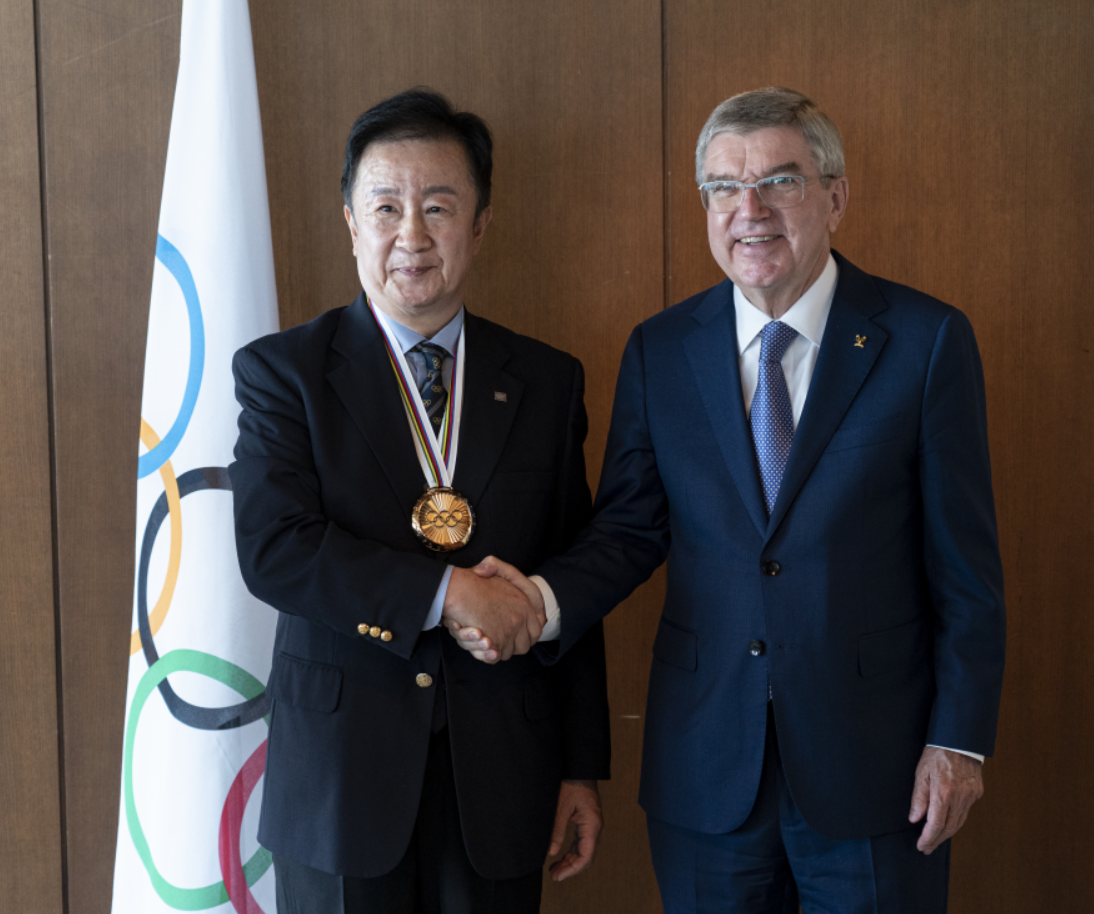
(Neven Ilic Panam Sports 회장 겸 페루 IOC위원과함께)


4. 대회 규모 리마 2027은 두 개의 대회로 구성됩니다:


1) 제20회 팬아메리칸 게임:


-2027년 7월 23일~8월 8일, 41개국 7,000명 이상 선수 참가, 38개 종목·59개 세부 종목.


2) 제8회 파라팬아메리칸 게임:


-8월 20일~29일, 34개국 참가, 17개 종목·18개 세부 종목.


5. 전략 논의


1) Panam Sports Week에서는 Forward Together 전략이 논의되었으며, IOC의 Fit for the Future와 유사하게 선수 중심, 거버넌스, 디지털 전환, 수익 및 브랜드 강화 등이 주요 의제로 다뤄졌습니다.


2) 양성평등과 선수 보호 여성 스포츠 포럼과 세이프 스포츠 포럼에서 양성평등과 선수 보호가 집중 논의되었습니다. Coventry는 “여성의 기회 확대는 여성만의 과제가 아니라 모든 이의 공동 책임”이라고 강조했습니다.


3) 향후 일정 주중에는 Panam Sports 집행위원회 회의, 리마 스포츠 빌리지 방문, 총회가 이어지며, 2029 주니어 팬아메리칸 게임 개최지 선정 등 주요 결정이 예정되어 있습니다.


요약하면, Coventry IOC위원장의 페루 방문은 Lima2027 준비 점검과 미주 스포츠 미래 전략 논의라는 두 가지 의미를 동시에 가지며, 페루의 국제 스포츠 위상 강화와 사회적 가치 확산을 뒷받침하는 계기가 되고 있습니다.


[Coventry takes Peru's sporting pulse]

The International Olympic Committee president visited Keiko Fujimori, the South American country's head of state, on Tuesday as part of Panam Sports Week to join officials in reviewing progress and challenges surrounding the Lima 2027 Pan American Games.


According to the Lima 2027 Organising Committee, the trip marks the Zimbabwean sports administrator's first official visit to the Americas and makes the Peruvian capital a meeting point for the continent's Olympic Movement. The city had previously welcomed her predecessors at the helm of the IOC, Belgium's Jacques Rogge in 2013 and Germany's Thomas Bach, first for the 131st IOC Session in September 2017 and then for the Opening Ceremony of the 2019 Pan American Games.


Against that backdrop, the meeting was also attended by José Antonio Chang, Minister of Education; Óscar Fernández Cáceres, president of the Peruvian Sports Institute and the Lima 2027 Organising Committee; and Neven Ilic, president of Panam Sports, the body that brings together the 41 National Olympic Committees of the Americas. Kirsty Coventry highlighted the country's experience of hosting major competitions and described the facilities left as a legacy of Lima 2019 as a major asset in the country's preparations to welcome the continent's leading athletes once again.


The Peruvian Government interpreted her presence as a sign of confidence from the world's leading sporting organisation in the country's ability to stage major events and strengthen its regional standing. It also placed the meeting within a broader vision of sport as a driver of social change capable of opening up opportunities for children and young people, encouraging healthy habits and fostering a more cohesive and safer society.


On the operational front, Fernández reaffirmed that preparations would continue in co-ordination with Panam Sports, the Americas Paralympic Committee, the Peruvian Olympic Committee and the state bodies involved. The Peruvian Sports Institute will need to align work across that network on infrastructure, logistics, operations and planning to meet the standards of the continent's leading multi-sport event and consolidate the legacy of 2019.


The scale of the two events that make up Lima 2027 illustrates the organisational challenge facing the Peruvian capital, where next year the 20th Pan American Games will bring together more than 7,000 athletes from 41 countries between 23 July and 8 August to compete in 38 sports and 59 disciplines. Once the first event has concluded, the programme will resume on 20 August with the eighth Parapan American Games, which will run until 29 August and bring together representatives of 34 countries across 17 sports and 18 disciplines.


That sporting horizon provides the backdrop to Panam Sports Week, the gathering that has brought Coventry to Lima and brings together National Olympic Committee officials and athlete representatives from Monday to Friday to debate the future of sport in the Americas. The opening day explored those issues through five rounds of discussion devoted to the development of the Pan American and Junior Pan American Games, athletes' involvement in decision-making, governance, strengthening National Olympic Committees, branding and revenue.


Those discussions gave substance to Forward Together, the strategic consultation that Jimena Saldaña, secretary general of Panam Sports, presented as an opportunity to identify what the continent's wider sporting community expects from the organisation and establish a common direction. Summing up that aim, she concluded, "This will lead us towards a much better and stronger Panam Sports".


Coventry also used her visit to draw parallels between Panam Sports' 'Forward Together' consultation and the IOC's own 'Fit for the Future' strategic direction, arguing that both initiatives are based on listening to stakeholders and collectively shaping the future of sport. She highlighted athlete support, good governance, strengthening National Olympic Committees, sports development, revenue, branding and digital transformation as areas being considered through Forward Together.


Coventry said the approach reflected the spirit of Fit for the Future, which places athletes at the centre of the Olympic Movement's future direction. The IOC president pointed to initiatives including the newly announced Olympian Grant and efforts to develop a more balanced, relevant and sustainable Olympic sports programme as examples of the strategy beginning to take shape.


"With 'Fit for the Future', we have set the course for our Olympic Movement. With 'Forward Together', you are shaping the next chapter for Panam Sports. The names may be a little different. But the responsibilities are the same. The spirit is the same," Coventry said.


Once those strategic priorities had been mapped out, the second day of Panam Sports Week shifted the focus on Tuesday to gender equality and athlete protection through the Women in Sport and Safe Sport forums. The first featured video messages from Coventry and Prince Faisal bin Al Hussein, president of the Jordan Olympic Committee, and included Asafa Powell, the Jamaican sprinter, Olympic medallist and former 100 metres world record-holder.


Coventry argued that expanding opportunities and leadership for women requires the involvement of the entire movement. "No one within this movement can forge this future alone. Equality for women is not a matter for women alone; it is a shared responsibility, and achieving it requires all of us. Together, let us continue building a world of sport in which every woman and girl can dream without limits and make those dreams a reality," she said, according to EFE.


The programme set aside Wednesday for meetings of the Panam Sports Executive Committee, a concluding session on Forward Together and a visit to Lima's National Sports Village, the city's main sports complex. The 64th General Assembly will then take centre stage on Thursday and Friday, with a special presentation by the Lima 2027 Organising Committee and two key decisions, the selection of the host city for the 2029 Junior Pan American Games and Panam Sports' representative to the Association of National Olympic Committees.


*References:

-insidethegames

-PanAm Sports website

Posted by 윤강로 (Rocky YOON)
스포츠 세상2026. 9. 3. 03:18

[FIH회장 Tayyab Ikram, “하키는 승리하고 있다”(Tayyab Ikram, "Hockey is winning"]


8월26일 외신기사내용 정리하여 공유합니다.


FIH(국제하키연맹)회장 Tayyab Ikram 은 하키 월드컵 기간 동안 벨기에 Louvain-la-Neuve 에서 Inside The Games와 단독 인터뷰를 진행하며, 선수·관중·세계적 성장·LA 2028-Brisbane 2032·국제 하키의 미래 방향에 대해 논의했다(FIH President Tayyab Ikram spoke one-to-one with Inside The Games in Louvain-la-Neuve during the World Cup, discussing athletes, audiences, global growth, Los Angeles 2028, Brisbane 2032 and international hockey's future direction)고 합니다.


[FIH 회장 Tayyab Ikram 인터뷰 요약 – “Hockey is winning”]


1. 월드컵 개최와 반응


-벨기에와 네덜란드에서 열린 월드컵은 두 나라의 강한 전통을 반영.


-비(非) 개최국 경기에서도 관중석이 가득 차며, Ikram은 이를 “하키가 승리하고 있다”는 명확한 메시지로 해석.


2. 대회 구조와 포용성


-남녀 대회는 하나의 월드컵으로 간주, 파라 하키(Para Hockey) 월드컵은 별도 대회.


-다양한 대륙 팀들이 준결승에 진출해 하키의 보편성과 글로벌 매력을 보여줌


3. 관중과 디지털 영향력


-가장 큰 성공은 팬과 관중의 참여, 디지털 플랫폼을 통한 가시성 확대. 이번 대회는 약 1억 600만 명의 시청자에게 도달.


4. 대회 규모 확대 논의


-남녀 각각 16팀에서 24팀으로 확대 검토했으나, 현재는 16팀이 적절하다고 판단.


5. 선수 중심 정책


-첫 FIH 선수 포럼 개최: 장기 커리어, 정신 건강, 선수 권리, 올림픽 운동과 연계된 논의 진행. 앞으로 규모 확대 계획


*핵심 키워드: “Empowerment & Engagement”.


6. 경쟁 구조와 글로벌 확장


-프로리그 외 Nations Cup, Nations Cup 2 도입으로 참여국 확대(35~40개국).


-12개국 지원, 신규 경기장 보급, 폴란드·크로아티아·오만 등 비전통시장에서도 대회 개최.


7. FIH for the Future 전략


-IOC의 Olympic Agenda 2020+5 및 “Fit For the Future”와 비교하며, 오늘과 내일을 위한 실천적 접근 강조.


“관련성, 의미, 더 큰 영향”을 목표로 즉각 실행 중.


8. 올림픽 전망


1) LA 2028: 미국 내 50만 명 이상의 여학생 선수 기반 활용, 미국 시장 진출 기회.


2) Brisbane 2032: 호주가 강력한 하키 국가로서 긍정적 환경 제공.


(Christophe De Kepper IOC사무총장과 Tayyab Ikram FIH 회장)


9. 협회 및 제도 활동


-선수 포럼, 청년 홍보대사 프로그램, 협회 정상회의 등 다양한 제도적 활동 진행.


-협회들에 변화와 적응 촉구: “현상 유지에서 벗어나 속도를 따라가야 한다”


10. 관중과의 관계


-관중을 단순 참여자가 아닌 “파트너이자 이해관계자”(The audience for me is not participant. They are our stakeholder. They are our partner")로 정의.


-새로운 세대와 연결하기 위해 관중과의 협력 강조.


*핵심 메시지: Ikram 회장은 하키의 성장은 경기장 안팎에서 팬, 선수, 협회가 함께 만들어가는 과정이라고 강조했습니다.


[Tayyab Ikram: "Hockey is winning"]

FIH President Tayyab Ikram spoke one-to-one with Inside The Games in Louvain-la-Neuve during the World Cup, discussing athletes, audiences, global growth, Los Angeles 2028, Brisbane 2032 and international hockey's future direction.

As the World Cup entered its decisive stage across Belgium and the Netherlands, another part of hockey was being played away from the pitch: the present and future of the sport. In the lobby of Martin's Agora City Resort in Louvain-la-Neuve, Tayyab Ikram sat down with Inside The Games for a relaxed interview that covered virtually the entire agenda of the International Hockey Federation.

Ikram began with the World Cup itself and the decision to stage it in two countries with a strong tradition in field hockey. "We are very happy, very pleased to bring the World Cup to Holland and Belgium, two real hockey nations," he said. Although each experiences the tournament differently, they share a common foundation. "It is a community sport, also a performance sport."

The response from the public is one of the signs he values most. "Even on the non-host matches, where the host is not playing, the stands are full," he said. For Ikram, the conclusion is straightforward. "It is a very clear message that hockey is winning."

The FIH president also clarified the structure of the competitions. For FIH, the men's and women's tournaments form "one World Cup together", while the Para Hockey World Cup is a separate competition. "It is not really three World Cups," he clarified in response to a question from Inside The Games. He added, "Para Hockey is an additional aspect for us, and I am so happy that we were able to start the Para Hockey World Cup."


Asked about the biggest success so far, he returned to the supporters, both in the stadiums and across digital platforms. "The biggest success for me is the fans, the spectators, their engagement, and the visibility of hockey," he said. According to Ikram, the tournament had reached an audience of "around 106 million", another indication of the reach the sport is achieving.


The diversity of the teams reaching the decisive stages also features prominently in his assessment. "We have now multi-continental teams playing semi-finals," he said. "Two Argentinian teams are playing, an Australian team is playing. So, that is a very clear message for universality and also a global appeal."

The semi-final line-up supports that view. In the women's competition, Argentina will face Australia in Wavre, while the Netherlands and Belgium will meet in Amstelveen in a contest between two nations where hockey is part of everyday sporting life. In the men's event, Germany will face Argentina and the Netherlands will take on Spain, a combination that reflects the balance of a World Cup in which several teams are capable of challenging the traditional powers.

That growth, however, does not mean an immediate expansion of the tournament. Ikram acknowledged that increasing the field from 16 to 24 teams per gender had been considered, "We thought about increasing the teams to 24, but I think at this moment we are convinced that if we have 24 teams and 24 teams men and women, a 48-team World Cup, it will be a little bit more stretched."


"We want to focus on our top athletes," he added. "I think 16 is the right format at this moment. Maybe tomorrow, you don't know. But right now, 16 is the right format. We are not making 24 yet."


Athletes are another central element of his presidency. The first FIH Athletes Forum was staged during the World Cup, an initiative Ikram presented as one of his personal commitments after taking office. "One of my first undertakings was that I must provide our athletes one platform that they can talk about other than performance, other than hockey," he explained.

The Forum addressed long-term careers, mental health, athletes' rights and their voice within the sport. "We never had a chance to speak this before," he admitted. It also included contributions linked to Athlete365 and the wider Olympic Movement. Ikram is already looking towards a larger scale, "We are going to enhance, make it a bigger Athletes Forum in the future, where we will invite all countries to participate."

That approach connects with the two words he used to define FIH's priorities, "empowerment and engagement". The aim is to provide top players with "a better environment to perform" while expanding opportunities for national federations.


Ikram recalled how the competitive structure has broadened, "Before, you used to have only pro League. Then we introduced Nations Cup. And then I also introduced Nations Cup 2." According to his figures, "around 35 countries, or 40 countries" are engaged in FIH competitions.


The strategy goes beyond staging tournaments. The president said the federation is supporting 12 nations and trying to provide hockey pitches in different regions. He also defended taking major events to less established markets, citing a competition in Poland, the Indoor World Cup in Croatia and an Olympic qualifier in Oman.

The conversation also moved towards FIH for the Future. Ikram linked the concept to a practical, action-driven approach, "For me, it is a very great concept," he said, before comparing it with the International Olympic Committee's Olympic Agenda 2020+5. "What I see the difference, FIH for the Future is talking about today and tomorrow, which is more practical."

"Each line of FIH for the Future is a call for action," he explained. "It is not something which you plan or something for long term, but it is something very practical." He then distilled the idea into three demands: "We need to be relevant. We need to be more meaningful. We must have a better impact than before." He stressed, "We are not waiting. We are already start working on it."


The Olympic horizon opened another part of the conversation. Los Angeles 2028 represents a particular opportunity for Ikram to strengthen hockey's presence in the United States. "We have more than half a million girls playing in schools and universities in USA," he said. "It is another opportunity for us to explore the American market. That is something very important for us, and I think it should not be a missed opportunity."


Brisbane 2032 presents a different landscape. "It is easy to explain because it is a hockey country, a great hockey country, Australia," he said. Ikram particularly recalled Sydney 2000 and the sport's strong connection with the Australian community. "It is a family sport also, and also it is a performance sport," he said, highlighting the influence of the Australian Institute of Sport.


The institutional activity surrounding the World Cup completes that picture. During the final week in Louvain-la-Neuve, the programme includes the Young Ambassadors Programme, the Athletes Forum, the National Associations Summit and the Executive Board meeting.


Ikram highlighted the National Associations Summit in particular as another format introduced during his presidency. "We bring all national associations, most of them, together. They don't have to wait for the Congress," he explained. The aim is to provide "a very interactive platform" to discuss what is happening around hockey, FIH's main plans and the future of the sport.


FIH for the Future will form part of those conversations, with the federation seeking the views of its members. "The main message is if we are working the right thing. We are in the right direction. And we are relevant," he said.

His message to national federations was one of the most direct parts of the interview, "We need to make a little bit of step change in our work. We must change the way we do normal things."


"I know we don't want to change just for the change," he clarified, "but the question is it is so important for us to keep the pace and speed. Because the environment around hockey and environment around the sports is changing. And they are changing very fast. So we need to keep the pace. Otherwise, we will get behind."


He therefore urged the associations to adapt, "They need to come out of their status quo and adapt." Ikram also stressed the need to engage communities and broaden hockey's global appeal, allowing the sport to be embraced as a social game, a competitive game and a performance sport.


The closing part of the conversation returned to the audience. Ikram thanked both those attending matches and those following the tournament digitally, describing a relationship that he wants to extend beyond traditional consumption. "The audience for me is not participant. They are our stakeholder. They are our partner."

"It is so important for us to appreciate what our audience can make a difference to our sport," he added. For Ikram, the challenge is to engage with that audience, work alongside it and use that connection to reach new generations.

At a World Cup spread across two countries, with competition, meetings and programmes running in parallel, his message ultimately converges on the same idea: hockey's growth depends not only on what happens on the pitch, but also on the ability of athletes, federations and supporters to build what comes next together.


*References:

-insidethegames

-FIH website

Posted by 윤강로 (Rocky YOON)