[스포츠 거버넌스의 투명성, 2026년의 위대한 신화(Transparency in Sports Governance: Great Myth of 2026)]
5월21일자 외신기사내용 정리하여 공유합니다.
투명성은 세계 스포츠에서 가장 자주 언급되는 단어 중 하나이면서 동시에 가장 검증하기 어려운 가치가 되었다. 국제연맹, 대륙연맹, 올림픽 기구들은 윤리 강령, 거버넌스 보고서, 윤리위원회, 공개 성명을 발표하지만, 여전히 많은 핵심 결정들은 검증하기 어려운 공간에서 이루어진다. 예를 들어 내부 선거, 상업 계약, 정치적 재가입, 징계 절차, 각국 연맹에 대한 재정 지원, 그리고 선수들에게 직접 영향을 미치는 규정 변경 등이 그러하다(Transparency has become one of the most repeated words in global sport and, at the same time, one of the hardest to verify. International federations, confederations and Olympic bodies publish ethics codes, governance reports, integrity committees and public statements, but many key decisions are still made in spaces that are difficult to scrutinise: internal elections, commercial contracts, political readmissions, disciplinary proceedings, funding for national federations and regulatory changes that directly affect athletes)고 합니다.
[핵심 요약]
1. 투명성의 허상
-국제 스포츠에서 “투명성”은 가장 많이 언급되지만 실제로 검증하기 가장 어려운 가치.
-윤리 규정, 거버넌스 보고서, 위원회 등이 존재하지만 내부 선거, 계약, 징계, 재정 지원, 규정 변경 등 핵심 결정은 여전히 불투명하게 진행됨.
2. 선거의 불투명성
-형식적 절차(헌장, 일정, 투표)는 존재하나 실제 경쟁은 부족.
-단일 후보 선거, 내부 네트워크, 재정 의존성, 불명확한 규정 변경 등이 문제.
-사례:
1) FIE(국제펜싱연맹): 선수·코치 3,000명 이상이 독립적 검토 요구.
2) IBA(국제복싱협회): IOC 인정 상실, CAS 항소 기각 → 재정·투명성·지속가능성 문제.
3) CAF(아프리카축구연맹): 감사·준법위원회에 대한 내부 압력 의혹.
3. 재정 추적의 어려움
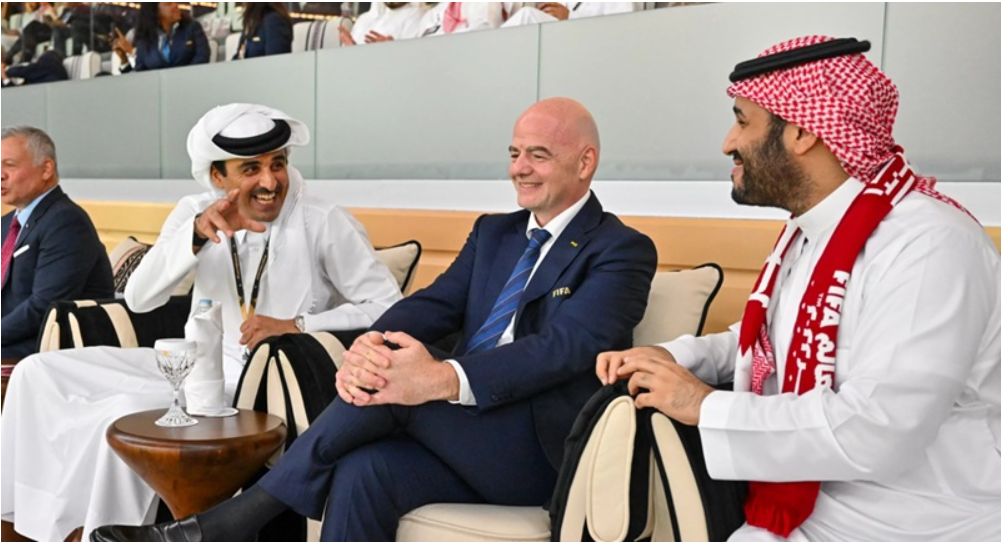
-FIFA: 2023~2026년 개발 자금 $ 16억 달러 배분 → 실제 사용처와 감사 여부 불투명
-자금 배분이 권력 관계를 강화하는 구조적 문제.
-사우디 PIF·아람코 등 국영기업·국부펀드가 스포츠에 영향력 확대 → 인권·계약·책임 체계 불명확.
4. 도핑방지취약성
1) 과학·기밀·평판·지정학이 얽혀 투명성 확보가 어려움.
2) 사례: Tokyo 2020 전 23명의 중국 수영선수 금지약물 양성 → WADA 및·World Aquatics 해명에도 불신 확산.
3)최종 결정만 공개되고 과정은 불투명해 신뢰가 제도적 믿음에 의존.
5. 협의 과정의 부족
-많은 스포츠 조직이 내부 합의로 결정했다고 주장하지만 외부 검증은 어려움.
-사례:
1) CAF의 아프리카 Nations Cup(AFCON) 4년 주기 전환(2028부터) → 회원국 충분한 협의 없이 진행됐다는 비판.
6. 결론
1)투명성의 신화:
-규정과 보고서가 존재해도 실제 권력 구조와 자금 흐름, 선거, 도핑방지, 협의 과정은 불투명.
2)핵심 문제:
-제도적 장치가 권력을 불편하게 만들지 못하고, 외부 검증이 제한됨.
3)의미:
-2026년 현재 국제 스포츠 거버넌스의 가장 큰 과제는 투명성을 실질적으로 검증 가능하게 만드는 것임
Transparency in Sports Governance, Great Myth of 2026
Javier Nieto
May 21, 2026
Transparency has become one of the most repeated words in global sport and, at the same time, one of the hardest to verify. International federations, confederations and Olympic bodies publish ethics codes, governance reports, integrity committees and public statements, but many key decisions are still made in spaces that are difficult to scrutinise: internal elections, commercial contracts, political readmissions, disciplinary proceedings, funding for national federations and regulatory changes that directly affect athletes.
The myth is not the absence of rules, but the limited ability of those rules to make power uncomfortable. In fencing, almost 3,000 athletes and coaches have called for an independent review of the International Fencing Federation -FIE- over alleged governance failures; in boxing, the International Boxing Association -IBA- lost Olympic recognition after years of concerns over governance, finance and integrity; in swimming, the case of the 23 Chinese swimmers who tested positive for trimetazidine before Tokyo 2020 forced World Aquatics and the World Anti-Doping Agency -WADA- to defend their procedures; and in African football, the Confederation of African Football -CAF- has faced accusations linked to internal pressure on audit and compliance members.
Electoral opacity: when voting does not mean accountability
The first grey area lies in elections. Much of global sport operates with statutes, electoral calendars, commissions and votes, but the formal existence of a process does not guarantee that power is genuinely contested. Single-candidate races, internal networks, national federations dependent on international funding, unclear regulatory changes and votes shaped by political balances turn many sports elections into administrative processes rather than competitive ones.
The FIE is a particularly representative case because the criticism comes from athletes and coaches who have requested an independent review.
Their complaints include alleged lack of transparency, rule changes, rising financial burdens, cancellations or postponements of competitions and doubts over the screening of neutral athletes. The IBA offers the extreme case: the International Olympic Committee -IOC- withdrew its recognition and the Court of Arbitration for Sport -CAS- rejected its appeal after finding that it had not met conditions linked to financial transparency, sustainability and integrity processes.
Its financial problems were also part of the crisis that ended with the loss of Olympic recognition, while World Boxing, the international federation created to govern Olympic boxing, is now trying to earn the IOC’s trust.