[IOC, French Alps 2030 동계올림픽에 Crossover스포츠 배제(IOC rejects crossover sports at Alps 2030)]
5월8일자 외신기사내용 정리하여 공유합니다.
IOC집행위원회는 목요일(5월7일), 다음 동계올림픽 경기 프로그램에 여름 종목을 포함하는 가능성을 배제했으나, 향후 이 결정을 재검토할 여지는 남겨두었다(The International Olympic Committee Executive Board ruled out on Thursday the possibility of including summer disciplines in the competitive programme of the next Winter Games, although it left open the option of reviewing the decision later)고 합니다
[요약]
1. 결정 내용
-IOC 집행위원회는 French Alps 2030 동계올림픽에서 하계 종목이나 사계절 종목은 포함하지 않기로 결정.
-크로스컨트리, 트레일 러닝, 사이클로크로스, 그래블 (cross-country, trail running, cyclo-cross and gravel)등 눈·얼음 기반이 아닌 종목은 제외.
-Coventry IOC 위원장은 “2030에는 오직 눈과 얼음 종목만 포함된다”(disciplines that are not contested on snow or ice)고 명확히 언급.
2. 향후 가능성
-Salt Lake City 2034 동계올림픽에서는 논의가 재개될 수 있음.
-IOC의 ‘Fit for the Future’ 프로그램 2단계에서 새로운 종목 도입 가능성을 검토 예정.
3. 배경과 논의
-최근 몇 년간 새로운 종목 도입 논의가 활발했으며, 특히 아프리카 등 전통적 겨울 스포츠 기반이 약한 국가들의 참여 확대를 위한 제안이 있었음.
-Sebastian Coe(세계육상연맹 회장)는 크로스컨트리와 사이클로크로스 도입을 지지, 미국 올림픽위원회와 UCI(International Cycling Union)도 긍정적 반응.
-프랑스 측에서도 눈이 없는 산악 지역을 활용한 저비용 야외 이벤트 제안이 있었음.
4. 반대 의견
-전통적 겨울 스포츠 연맹들은 “올림픽동계대회의 브랜드와 정체성을 훼손한다”며 반대.
-수익 배분 문제와 대회 복잡성 증가도 우려 요인.
5. IOC의 입장
-French Alps 2030은 기존 겨울 종목(바이애슬론, 봅슬레이, 컬링, 아이스하키, 루지, 스케이팅, 스키)만 포함.
-IOC는 향후 새로운 종목 도입 시 무한 확장은 불가능하며, 규모 확대보다 정체성 유지와 비용 관리가 중요하다고 강조.
[정리]
-2030 알프스 동계올림픽은 전통적 눈·얼음 종목만 진행.
-2034 솔트레이크시티 올림픽부터 새로운 종목 도입 논의 가능성.
-IOC는 정체성 유지와 비용 관리를 중시하며, 무분별한 확장은 지양한다는 입장을 분명히 함.
[IOC 2030 결정: 장점 vs 단점]
|
구분
|
장점
|
단점
|
|
정체성 유지
|
동계올림픽은 눈·얼음 종목이라는 전통적 정체성을 강화
|
새로운 종목 도입 기회 상실, 혁신 부족
|
|
브랜드 가치
|
브랜드·유산·역사적 이미지 보존 → 기존 팬층 결속
|
젊은 세대·비전통적 국가의 관심 유도 실패
|
|
운영 효율성
|
대회 규모·비용 관리 용이, 복잡성 감소
|
성장·확장 기회 제한, 글로벌 참여 저하
|
|
기존 연맹 만족
|
전통적 겨울 스포츠 연맹의 반대 해소, 내부 갈등 최소화
|
혁신적 종목을 원하는 연맹·국가와 갈등 심화
|
|
단기 안정성
|
2030 알프스 대회 준비 과정에서 불확실성 제거
|
장기적으로 IOC가 ‘보수적’이라는 비판 가능
|
[정리]
-장점: 동계올림픽의 정체성과 브랜드를 지키고, 비용과 복잡성을 줄이며 안정성을 확보.
-단점: 혁신과 글로벌 확장 기회를 놓치고, 젊은 세대와 새로운 시장을 끌어들이는 데 한계.
-즉, IOC는 French Alps 2030 동계올림픽대회에서는 안정과 전통을 선택했지만, Salt Lake City 2034 대회에서는 혁신 논의가 다시 열릴 가능성을 남겨둔 셈입니다.
[2034 솔트레이크시티 크로스오버 스포츠 도입 시 예상 변화]
1. 참여국 확대
-크로스컨트리, 사이클로크로스, 트레일 러닝 등은 눈·얼음 기반이 아니므로 아프리카, 동남아시아, 남미 등 전통적 겨울 스포츠 기반이 약한 국가들도 참여 가능.
-결과적으로 참여국 수 증가와 올림픽의 글로벌 다양성 강화가 기대됨.
2. 관중층 확대
-하계 종목 성격을 가진 크로스오버 스포츠는 젊은 세대와 비전통적 스포츠 팬층을 끌어들일 수 있음.
-특히 사이클·러닝 팬덤을 가진 지역에서 관심과 시청률 상승 가능.
3. 비용 및 운영
-새로운 종목 도입은 경기장·인프라 확충 필요 → 비용 증가.
-그러나 일부 종목은 기존 산악 지형 활용 가능 → 저비용 야외 이벤트로 운영 가능성.
-IOC는 비용 관리와 정체성 유지 사이에서 균형을 맞춰야 함.
4. 브랜드 영향
-긍정적: 올림픽의 혁신적 이미지 강화, 새로운 시장 개척.
-부정적: 전통적 겨울 스포츠 연맹은 정체성 희석과 수익 배분 문제를 우려.
-따라서 IOC는 정체성 유지 vs 혁신 확대라는 두 가지 가치 사이에서 조율 필요.
5. 선수 영향
-아프리카·남미 선수들에게 동계올림픽 출전 기회 확대.
-기존 겨울 종목 선수들과의 경쟁 구도가 바뀌며, 선수층 다양화.
[정리]
-Salt Lake City 2034 에서 크로스오버 스포츠가 도입된다면, 참여국과 관중층 확대, 올림픽의 글로벌화라는 긍정적 효과가 크지만, 동시에 비용 증가와 정체성 논란이라는 도전 과제가 뒤따를 것입니다.
-IOC는 이 균형을 어떻게 맞추느냐가 핵심이 될 것입니다.
[IOC rejects crossover sports at Alps 2030]
The International Olympic Committee Executive Board ruled out on Thursday the possibility of including summer disciplines in the competitive programme of the next Winter Games, although it left open the option of reviewing the decision later.
The position defines the immediate scope of the debate that had opened up in recent months around events such as cross-country, trail running, cyclo-cross and gravel, disciplines that are not contested on snow or ice but had emerged as possible candidates to refresh the Winter Olympic format, broaden its international appeal and improve the prospects of countries without a strong tradition in the classic winter disciplines.
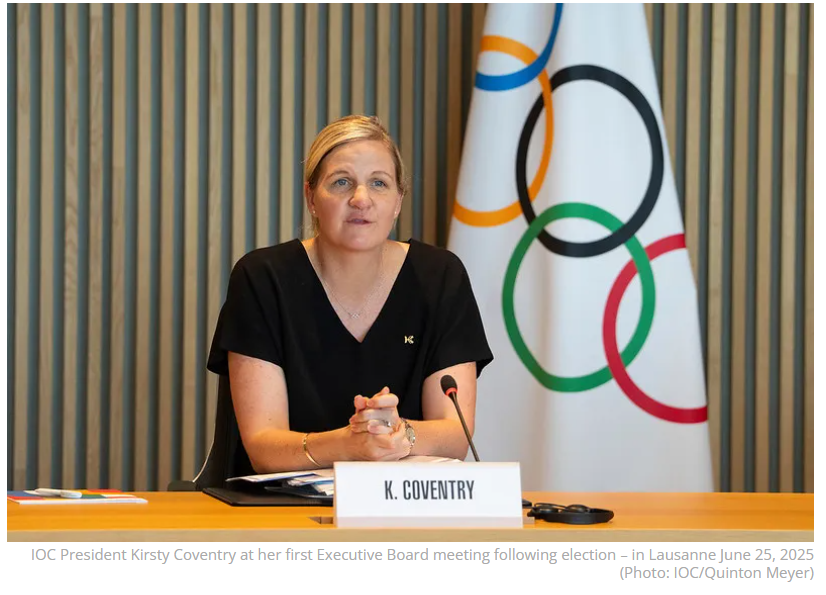
"For 2030, we have taken the decision, no crossover sports, no summer sports", said IOC President Kirsty Coventry at the press conference following the Executive Board Meeting. The official was even more explicit when setting out the immediate timetable: "We will vote on the programme in June, but we have already decided that no summer sport and no all-season sport will be included. It will only be snow and ice".
The door, however, is not closed. Asked about the possibility of that discussion resurfacing ahead of Salt Lake City 2034, Coventry replied, "You're exactly right". She then explained that the group of experts tasked with reviewing the Olympic programme, as part of the 'Fit for the Future' process, "in Phase 2 of their work, will look at all avenues, and yes, that would then potentially lend itself to 2034".
The clarification nuances the scenario opened up by a Kyodo News report, according to which the Olympic leadership had decided to remain "for the foreseeable future" within the traditional interpretation of the Olympic Charter, which considers only sports practised on snow or ice to be winter sports. The decision now known is more precise: the French Alps are ruled out of any experiment of that kind, but the IOC is not yet blocking a discussion for later cycles.
Coventry placed the debate within a broader review of the Olympic product and said that "What would that look like? How could there be more fluidity in that programme? So we are looking at it". The president argued that the organisation must regain the initiative over the shape of its competitions and explained that "We feel we need to regain the control of the programme. We're the leaders. This is our product, so we should regain that control".
Coventry also linked any future reform to a reflection on the entry of new disciplines. "We should figure out how we want potentially new sports, innovative sports and disciplines to come on to the programme", she said, although she warned that unlimited growth cannot be the solution. "We're also under the very big realization that we just can't continue to just get bigger, bigger, bigger, bigger. That's not the answer, either", she concluded.
IOC Sports Director Pierre Ducrey specified that the 2030 programme has already been decided in terms of sports and that the disciplines, events and athlete quotas will be finalised in June. The foundation approved for the French Alps includes biathlon, bobsleigh, curling, ice hockey, luge, skating and skiing, although the internal distribution of events still has to be completed. Ducrey also noted that the new procedure for including or excluding sports will have to serve both the Summer and Winter Games and that, for future editions, the IOC aims to provide organisers, federations and athletes with certainty further in advance.
The debate gained momentum in October 2025 with Sebastian Coe, president of World Athletics, who advocated in The Guardian a joint formula for cross-country and cyclo-cross. "I think there's a good chance it'll happen", Coe said, linking the return of cross-country to a stronger African presence. "It also gives Africa a proper presence in the Winter Games, which, if we are being honest, it doesn't really have".
The proposal also found support at the United States Olympic and Paralympic Committee during the Team USA Media Summit ahead of Milano Cortina 2026. Its chief executive, Sarah Hirshland, argued, according to Deseret News, that "It's logical and it's the right thing to do", while in December 2025 David Lappartient, president of the UCI, said he was open to studying how cyclo-cross might fit.
French Alps 2030 had also explored that route from France, where Edgar Grospiron had at the time proposed making use of mountain areas without snow through low-cost outdoor events. "Between 1,000m and 2,500m in altitude, we have all the snow, all the resorts", he told AFP, also pointing to the potential of trail running, cyclo-cross and gravel.
The rejection came from the traditional winter federations, which opposed a fragmented expansion of the programme. In their statement, they warned that such a route "would dilute the brand, heritage, and identity that make the Olympic Winter Games unique", a sporting objection that was also connected to the distribution of revenue and the growing complexity of the Games.
That is precisely the balance the IOC is trying to redefine between new audiences, cost control and the preservation of Olympic identity. French Alps 2030 will retain the classic perimeter of snow and ice sports, while Utah 2034 remains the first possible horizon for reopening a discussion that the organisation wants to fit within a broader reform of the programme.
*References:
-insidethegames
-IOC website
Posted by 윤강로 (Rocky YOON)