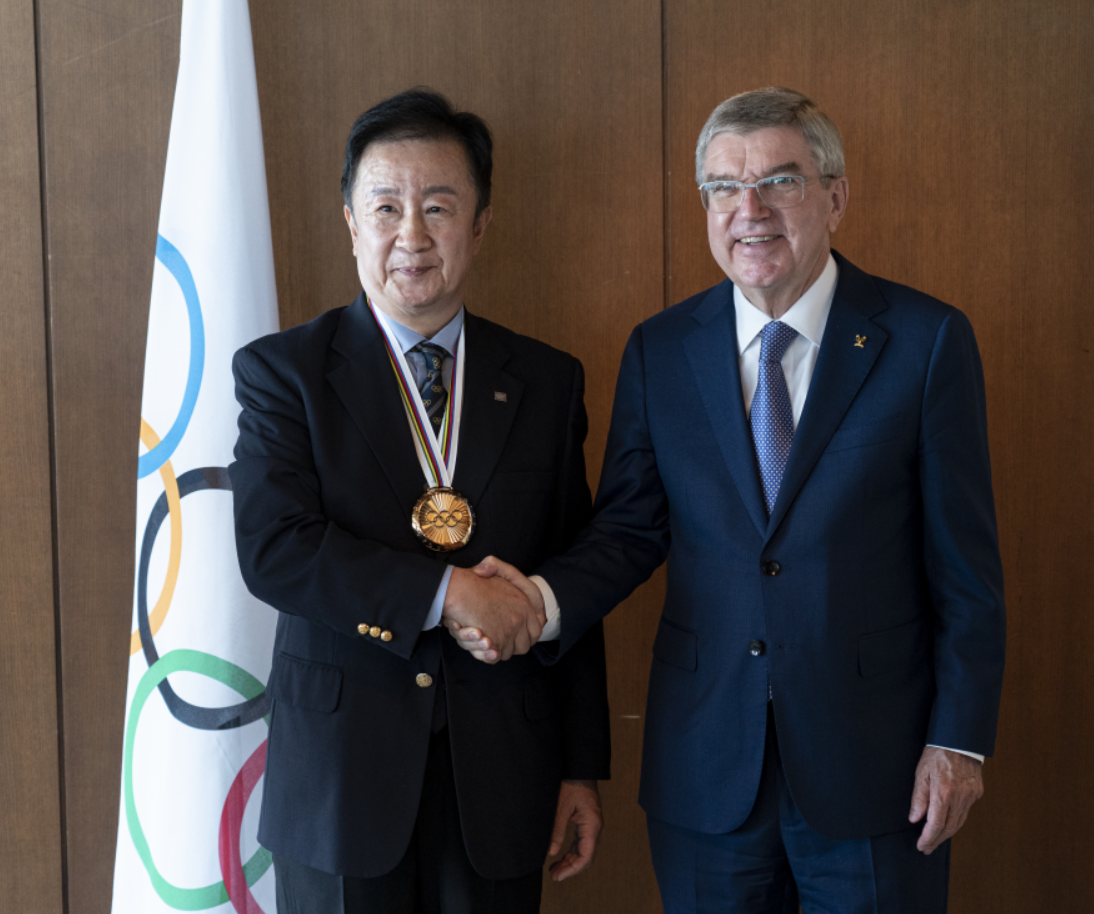
[Coventry IOC위원장, 새로운 연대(단합) 주기를 이끌다(Coventry leads new solidarity cycle)]
5월7일자 외신기사내용 정리하여 공유합니다.
IOC는 수요일(5월6일) 연례 올림픽 연대(Olympic Solidarity) 및 NOC 서비스 보고서를 발표했으며, 이는 사상 최대 규모인 € 5억7천만 유로 예산과 아프리카, 난민, 거버넌스, 청소년 개발, 인공지능에 대한 강력한 집중을 특징으로 했다(The IOC presented its annual Olympic Solidarity and NOC Services report on Wednesday, marked by a record €570m budget and a strong focus on Africa, refugees, governance, youth development and artificial intelligence.)고 합니다.

국제올림픽위원회(IOC)는 2025년 연례 Olympic Solidarity and NOC Services 보고서를 통해 사상 최대 규모인 € 5억7천만 유로(약 $ 6억5천만 달러) 예산을 확정하고, 아프리카·난민·거버넌스·청소년 개발·인공지능에 집중하겠다는 방향을 제시했습니다.
[핵심 내용]
1. 예산 확대:
-2025~2028년 올림픽 연대 계획에 10% 증액된 $ 6억5천만 달러 투입. 대부분 선수 직접 지원과 개발 프로그램에 사용.
2. Coventry IOC위원장 선출:
- 2025년 IOC 첫 여성·첫 아프리카 출신 위원장으로 선출. 과거 올림픽 연대 프로그램(Olympic Solidarity Program) 수혜 경험을 강조하며 “모든 선수에게 기회 제공”을 핵심 가치로 천명.
3. NOC 변화:
-2025년 동안 전 세계 NOC의 1/3 이상이 선거 실시, 38명의 신임 회장과 43명의 사무총장 선출.
4. 교육·거버넌스 강화:
-KU 루벤 대학과 협력해 Athlete Career Transition Course in Sport Ethics and Integrity 개설, 선수들의 윤리·거버넌스·행정 분야 진출 지원.
5. Dakar 2026 YOG:
-아프리카 최초 올림픽 이벤트로, 청소년·스포츠 개발의 전략적 핵심.
-역사적 첫 난민 청소년올림픽팀(Olympic Refugee Team) 창설 준비: 케냐·, 우간다에서 1,000명 이상 난민 청소년 선발전(trials) 진행.
-Dakar 러닝 아카데미 출범: 세네갈 및 아프리카 스포츠 행정 전문가 양성.
6. 기술 혁신:
-2025년 NOCnet 사용자용 AI Assistant 출시, 올림픽 AI 아젠다(2024) 첫 성과. 브라질 NOC는 행정·운영 최적화에 AI 적극 활용.
7. Olympism365 Summit:
- IOC, UN 기관, 국제 개발·금융 기관 등 100여 단체 참여, SDGs 달성을 위한 스포츠 활용 논의.
-거버넌스 개혁: 42개 NOC가 IOC 헌장 및 보편적 거버넌스 원칙에 맞춘 제도 개편 진행.
*Robin Mitchell ANOC회장 겸 IOC 올림픽연대위원회(Olympic Solidarity Commission)위원장:
“대륙별 협회, ANOC, NOC와 함께 손잡고 연대·보편성·스포츠의 힘이라는 핵심 가치를 세계에 희망의 빛으로 계속 비추어 나갈 것입니다.” (Working hand in hand with NOCs, Continental Associations, and ANOC, our core values of solidarity, universality, and the power of sport continue to shine as a much-needed glimmer of hope for the world)
[요약]
-IOC는 Coventry 위원장 취임과 함께 사상 최대 예산을 편성하여 아프리카·난민·청소년·AI 중심 전략을 내세우며 올림픽 연대의 새로운 주기를 시작했습니다.
-Dakar 2026 YOG와 난민팀 창설, AI 도입, 거버넌스 개혁 등은 올림픽 운동의 혁신과 글로벌 책임을 보여주는 핵심 프로젝트로 자리매김하고 있습니다
Coventry leads new solidarity cycle
The IOC presented its annual Olympic Solidarity and NOC Services report on Wednesday, marked by a record €570m budget and a strong focus on Africa, refugees, governance, youth development and artificial intelligence.
The International Olympic Committee used the publication of the Olympic Solidarity and NOC Services Annual Report 2025 to send a clear message about the direction Olympism intends to take in the new cycle towards Los Angeles 2028 and Dakar 2026: greater investment, institutional modernisation and an increasingly visible commitment to global development through sport.Articles
The document describes 2025 as "a year of innovation, many firsts and continuity", at the beginning of a new Olympic quadrennial accompanied by a record budget of $650m (€570m) for the Olympic Solidarity 2025-2028 plan, an increase of 10 % compared to the previous cycle. Most of those resources will be directed towards direct support for athletes and development programmes.
Among the main milestones the IOC identifies within 2025 is the election of Kirsty Coventry as President of the organisation, becoming the first woman and the first African person to lead the institution. The report also highlights her journey as a double Olympic champion and former beneficiary of Olympic Solidarity programmes.
Coventry recalled the impact that support had on her own sporting career, "Sport changed my life, and Olympic Solidarity played a real part in that journey, opening doors that shaped who I am today, both in and beyond sport."
The Zimbabwean official added, "Olympic Solidarity is about creating opportunities and bringing us closer to a more level playing field. That is something I care deeply about: making sure every athlete, wherever they come from, has the chance to succeed."
The report also reveals a period of profound renewal within the Olympic ecosystem. More than one third of NOCs held elections during 2025, with 38 new presidents and 43 secretaries general elected or appointed.
At the same time, the IOC strengthened programmes focused on education, governance and athletes' professional transition. Among them is the Athlete Career Transition Course in Sport Ethics and Integrity (ACTSI), developed together with KU Leuven University in Belgium for athletes interested in ethics, integrity and sports administration, even without previously holding a university degree.
The report also shows how Dakar 2026 has transformed into one of the major strategic pillars of Olympism for this new cycle. The Youth Olympic Games, which will return from 31 October 2026 after an eight-year wait since Buenos Aires 2018, appear at the centre of a major expansion of investment aimed at youth and sports development in Africa.
Within that framework, the IOC also highlighted progress towards a historic milestone: the creation of the first Refugee Olympic Team in the history of the Youth Olympic Games. More than 1,000 young refugees took part in trials organised in Kenya and Uganda as part of the project developed alongside the Olympic Refuge Foundation and World Athletics. The objective is to form the team that will compete at Dakar 2026, the first Olympic event organised on African soil.
Another of the notable projects was the launch of the Dakar Learning Academy, designed to train young Senegalese professionals and African sports administrators to work in Games organisation.
The IOC also used the report to underline its technological ambitions. During 2025, an artificial intelligence assistant for NOCnet users was launched, considered the first major product derived from the Olympic AI Agenda presented in 2024.
Brazil appears as one of the most advanced examples after actively incorporating AI tools to optimise administrative and operational processes within its National Olympic Committee.
The report notes the creation of the Olympism365 Summit, a gathering that brought together more than 100 organisations from across the Olympic ecosystem, United Nations agencies and institutions linked to international development and financing to work on the Sustainable Development Goals through sport.
Governance also remains central within Olympic strategy: The IOC confirmed that 42 NOCs worked during 2025 on statutory reviews and institutional adaptation processes aligned with the Olympic Charter and universal principles of good governance.
Robin Mitchell, chair of the Olympic Solidarity Commission, considered the new cycle an opportunity to consolidate those objectives, "Working hand in hand with NOCs, Continental Associations, and ANOC, our core values of solidarity, universality, and the power of sport continue to shine as a much-needed glimmer of hope for the world."
*References:
-insidethegames
-IOC webite